
Coach the person in the room, not the version of them that looks good on a whiteboard. Programmes change when life changes, and we would rather rewrite a week than watch someone fake a session they cannot finish.
The story
A room on Bernard Street that kept filling with the right people
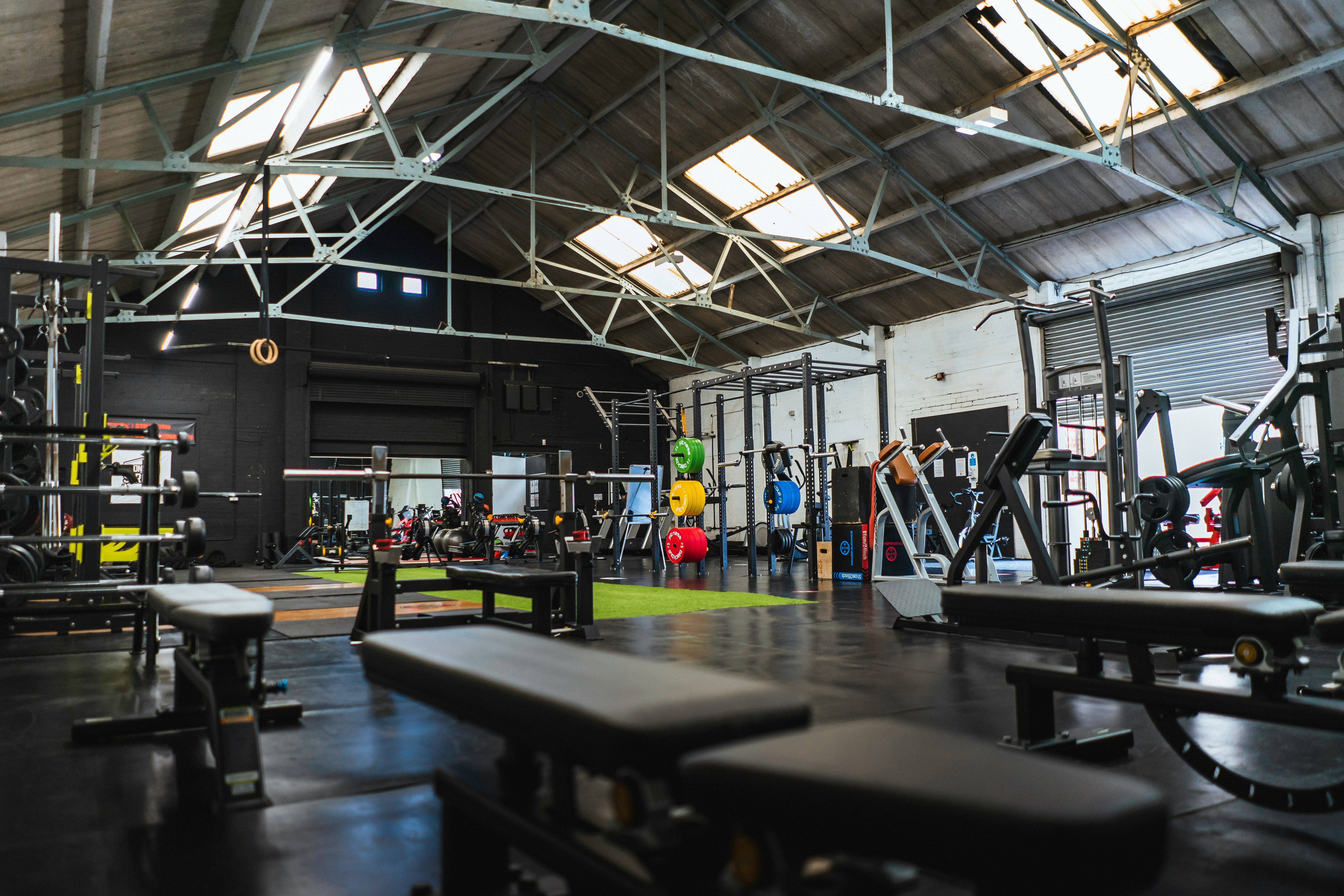
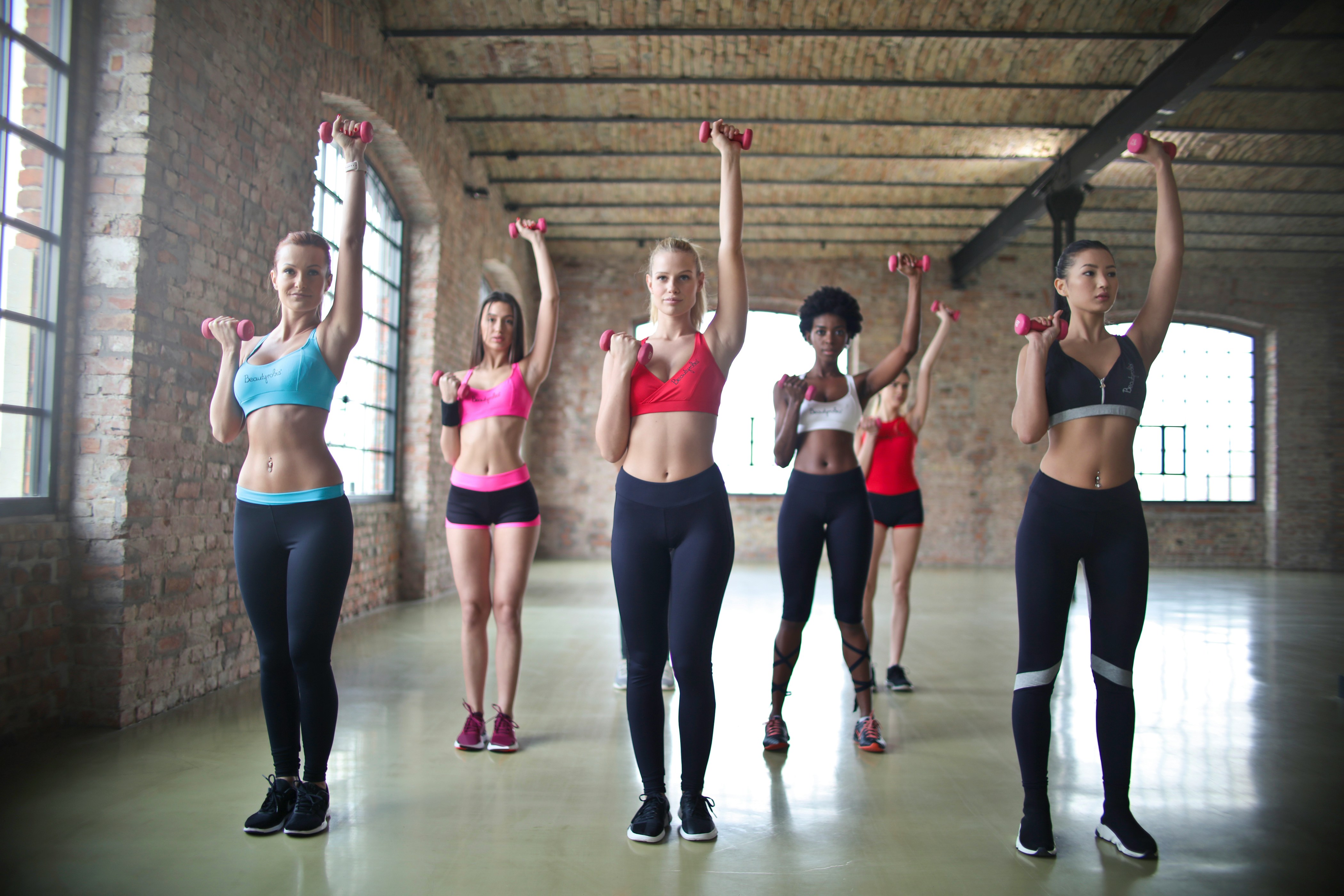
Anucor started as a stubborn idea in a rented room that used to be a tailor’s workshop. Anya Corvin wanted a place where you could hear the coach, put your bag down without playing Tetris, and leave with a plan that still made sense on a wet Wednesday. London already had temples of chrome and studios that felt like nightclubs with kettlebells. What it did not have, at least on this corner of Bloomsbury, was a small floor with a serious diary. Friends came first. Then colleagues. Then the person who had walked past the door four times and finally came in because the music was not leaking into the street. We kept the name Anucor because it was already on the paperwork and because it sounded like a person, not a protein bar. The company on the door is Anucor Fitness Studio Ltd, and the work is still the same: teach well, keep the room honest, and do not pretend a six-week montage will sort a ten-year habit. We train office backs, amateur rowers, new parents, and people who simply missed feeling capable. The two photos on this page are the studio as it stands in 2026 and the coaching team on a quiet morning before the first class. They are not a campaign. They are the room you will walk into if you book.
The neighbourhood did half the job. Bernard Street sits between hotels, offices, and people cutting through to the station with a coffee that is already too cold. We liked that mix. A studio that only serves one postcode becomes a club. A studio that serves whoever can walk here in ten minutes becomes a workshop. We still know the florist, the man who sells papers, and the receptionist two doors down who comes at 6:45 because that is the only hour that belongs to her. If you are looking for a manifesto, it is that simple: show up, do the work that was written for you, go back to your day. The rest is heating, clean floors, and coaches who slept enough to pay attention.
What we are for
The purpose, written as straight lines
Mission statements have a habit of sounding like they were approved by a committee that has never skipped a session. We would rather hang our purpose on the wall as a set of sticks you can read in a breath. Each line is a promise we can keep on a busy Thursday, not a slogan for a tote bag. They sit horizontally because that is how the week actually feels: one job after another, held in a row, none of them shouting louder than the rest. If a new coach joins in 2026, they read these before they take a client. If we ever catch ourselves filling the diary just to look busy, we read them again. You can disagree with the wording. You cannot say we hid it.
Keep the numbers small enough that names stick. Six in a group, one coach who is actually watching, and a floor plan that does not turn into a queue for a single bench.
Treat recovery as work. Mobility, breath, and the unfashionable quiet sessions are on the timetable because they stop the loud ones from breaking people.
Stay on Bernard Street and stay reachable. Same door, same number, same email. If we grow, we grow the coaching, not a chain of rooms we cannot walk to.
Tell the truth about time and money. Fees are on the services page, intro offers stay inside twenty percent, and we will say when pilates is a better start than conditioning.
The years
A vertical history, because the work stacked up that way
Studios love a montage. We prefer a list. The dates below are the ones that changed the room, not the ones that looked good on a cake. You can walk this timeline in five minutes and know whether Anucor is the sort of place that reinvented itself every spring or the sort that kept the same door and got better at the craft. We are the second kind. People who trained here in 2019 still recognise the welcome, even if the reformers are newer and the strength bay has a proper clock. If a year is missing, it is because we were busy coaching rather than launching a new brand colour. Read it from the top. That is how we lived it.
-
2017
Anya Corvin registers Anucor Fitness Studio Ltd and rents the old tailor’s room on Bernard Street. Two coaches, a handful of bells, and a timetable that fits on one sheet of paper. The first members are friends who were already tired of shouting over music in bigger gyms. The phone number we still use goes on the door.
-
2019
The diary fills enough to hire a third coach and split mornings from evenings. We cap groups at six after a winter of trying eight and hating it. Word moves through Russell Square offices the slow way, which is to say someone brings a colleague and that colleague stays.
-
2021
Reformer pilates lands in the back room. Not because it was fashionable, because too many desks were wrecking hips and we were tired of pretending a warm-up on the floor was enough. The red door goes up so people stop wandering into the wrong class with a skip rope.
-
2024
A quiet refit: better heating, a second shower, a strength bay that does not fight the pilates springs. We keep the square logo and the same address. Members who had trained through the dusty years say the room finally matches the coaching. We take that as the review that matters.
-
2026
Nine coaches, about one hundred and seventy people through the month, and a timetable that still fits on a board by the door. Anucor is not a chain and it is not trying to be. If you come this year, you get the version of the studio we spent nine years learning how to run.